

 By
Introduction
Mini LED technology is revolutionizing the way we experience television displays. With enhancements in brightness, contrast, and energy efficiency, Mini LED TVs are gaining attention. However, a common question arises among potential buyers: are Mini LED displays prone to burn-in issues? Addressing this concern is crucial to making informed purchasing decisions. To fully understand, we must explore the intricacies of Mini LED technology and how it compares to other displays, like OLED, specifically in relation to burn-in.
Understanding Mini LED Technology
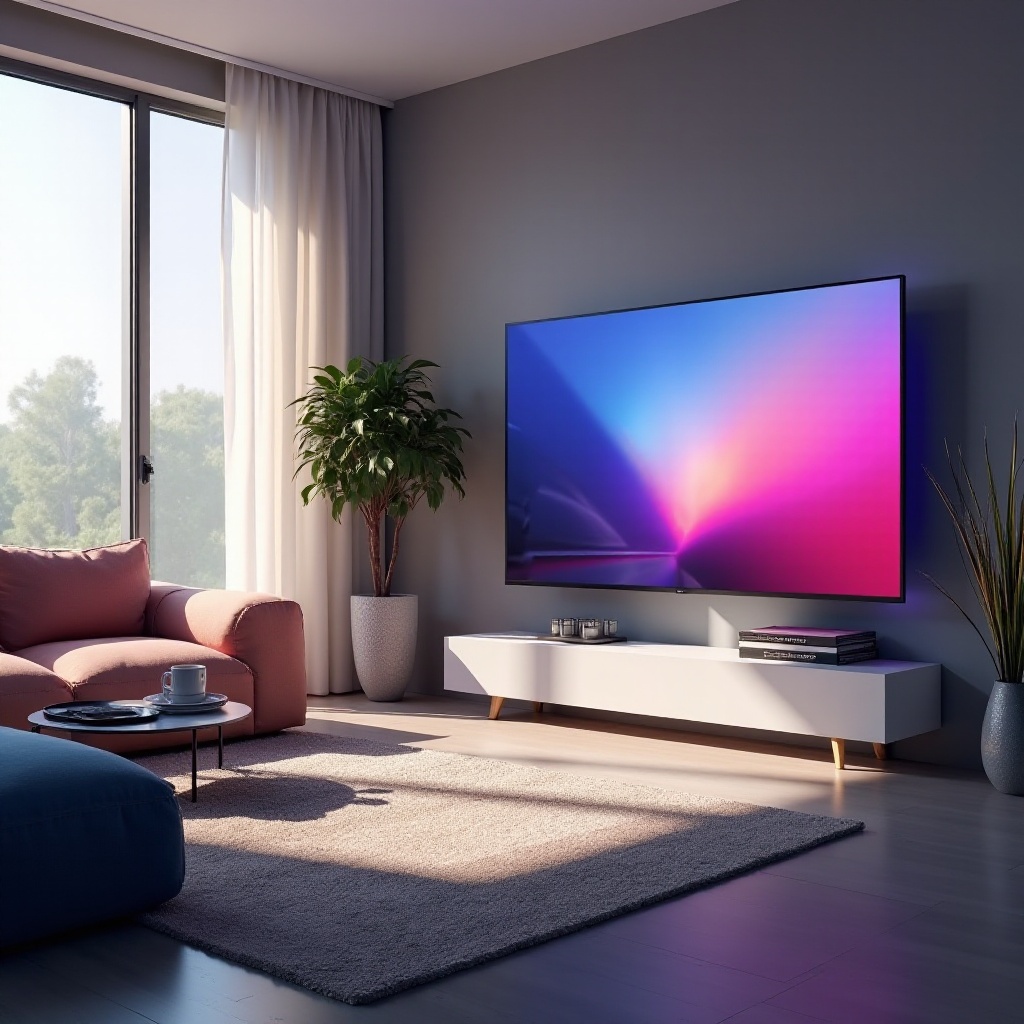
Mini LEDs are a cutting-edge update in LED displays, distinguished by their smaller size, allowing thousands to coexist on one screen. This dense arrangement enhances backlighting, leading to superior brightness and contrast. The technology offers sharper, more vibrant images without OLED’s common drawback of burn-in, making it a preferred choice for many.
What is Burn-In?
Definition and Causes
Burn-in refers to the persistent ghost-like image that lingers on a screen if a static picture is displayed too long, as individual pixels wear out differently. Historically, this was a problem for OLEDs, which utilize organic components that deteriorate over time.
Historical Context in Display Technologies
Burn-in plagued older technologies like CRT and Plasma, forcing users to avoid static images. OLED reintroduced burn-in worries due to its organic materials. Understanding this issue helps assess Mini LED’s potential vulnerabilities and how it differentiates itself from OLED.
Mini LED vs. OLED: Burn-In Analysis
Susceptibility to Burn-In
Though both Mini LED and OLED boast superior image quality, their construction differs. OLED uses organic light-emitting compounds prone to burn-in, while Mini LED technology involves an inorganic backlight that is far less susceptible to this issue.
Consumer Experiences and Research
Consumer feedback suggests that Mini LED displays rarely suffer from burn-in issues. Studies underscore Mini LED’s resilience, showing minimal image retention and fewer screen artifacts compared to OLED technology.
Advantages of Mini LED in Modern Televisions
Brightness & Contrast
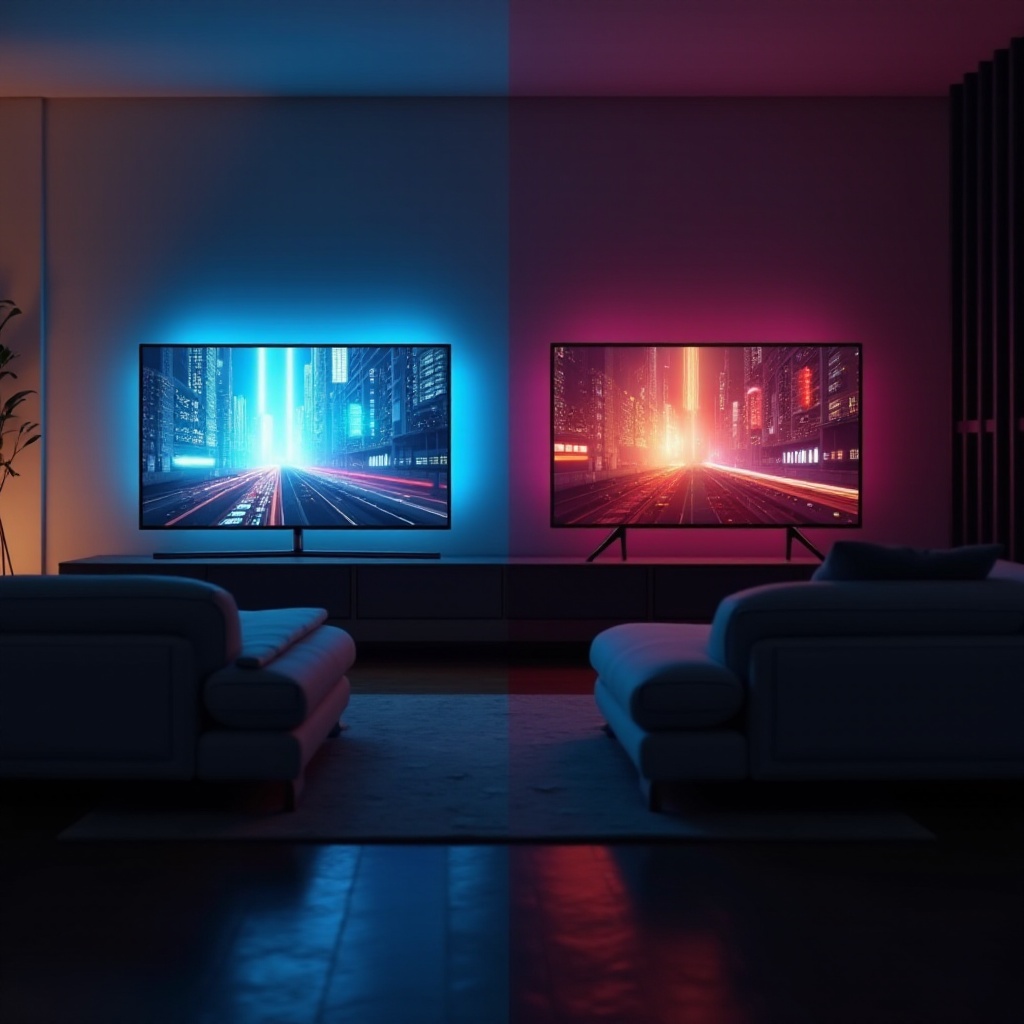
Mini LED TVs deliver exceptional brightness, surpassing OLEDs while preserving color accuracy. This is due to the dense LED arrangement that enhances depth in blacks and vibrancy in colors, enriching the viewing experience significantly.
Energy Efficiency and Longevity
Mini LED’s efficiency equates to lower power use, cutting electricity costs. The lack of organic materials also suggests a prolonged lifespan, with reduced risk of burn-in or color fade over time.
The seamless performance and durability of Mini LED displays offer compelling advantages for those seeking high-quality television options.
Is Burn-In a Concern for Mini LED?
Expert Opinions
Experts generally concur that Mini LEDs are less vulnerable to burn-in than OLEDs. The stable, inorganic construction of Mini LEDs diminishes pixel degradation risk, thereby enhancing their reliability.
Real-World Usage Scenarios
In everyday scenarios, Mini LED TVs consistently demonstrate strong performance. Users report durable picture quality despite prolonged static image exposure. This evidence highlights Mini LED as a strong contender in the market.
How to Prevent Burn-In on Mini LED TVs
Maintenance Practices
To extend your Mini LED TV’s life span, avoid static images on the screen for long periods. Enable screensavers and set appropriate screen timeouts to lessen the risk of burn-in.
Software Adjustments
Modern TVs are equipped with features like pixel shifting that lower burn-in potential. Regular firmware updates and employing these settings can further secure your display’s prowess against enduring image retention.
By embracing these strategies, you can assure the longevity and stability of your Mini LED television, keeping its performance optimal for years.
Conclusion
In conclusion, Mini LED represents a tremendous advance in television technology by offering superior brightness and contrast without the burn-in flaw common to OLEDs. Their construction vastly reduces this risk, making them a reliable choice for long-term use. With appropriate practices, Mini LEDs can provide exceptional performance and longevity, positioning them as a leading choice for discerning viewers.
Frequently Asked Questions
Are Mini LED TVs better than OLED for preventing burn-in?
Yes, Mini LED TVs typically resist burn-in better than OLEDs due to their non-organic construction.
What are some ways to tell if a TV has burn-in?
Indicators of burn-in include persistent shadow images and uneven brightness or color across the screen.
How can I prolong the life of my Mini LED TV without burn-in issues?
Avoid static images, use screensavers, keep firmware updated, and enable pixel shifting or dimming features to prolong your TV’s life.