

 By
By Portable power stations make it simple to provide energy wherever it is required, but understanding what you can safely plug into one is critical. These battery-powered machines may power a variety of gadgets, from phones to appliances, but each item must match the station’s capacity and connector types. Plugging in high-draw devices without first validating the power rating might decrease runtime or possibly trigger a shutdown. Understanding which devices are compatible, how much power they need, and how to connect them correctly promotes safe and efficient functioning. This guide describes what you can plug in, how power ratings operate, and how to safeguard your equipment while in use.
What Types of Devices Are Safe to Plug Into a Power Station?
Everyday Electronics and Personal Devices
Most portable power stations can readily power popular gadgets such as cellphones, tablets, cameras, Bluetooth speakers, and laptops. These devices often use USB-A, USB-C, or AC outlets and demand low to moderate watts, which is comparable to the output capabilities of most mid-range stations. Charging numerous devices at once is generally safe as long as the overall power consumption remains within the unit’s rated output. E-readers, gaming controllers, and wearables may operate for hours without noticeably depleting the battery. These low-watt products are perfect for regular usage and frequent charging, providing consistent performance and longer runtime without exceeding the station’s capacity or safety measures.
Home Appliances and Essential Household Equipment
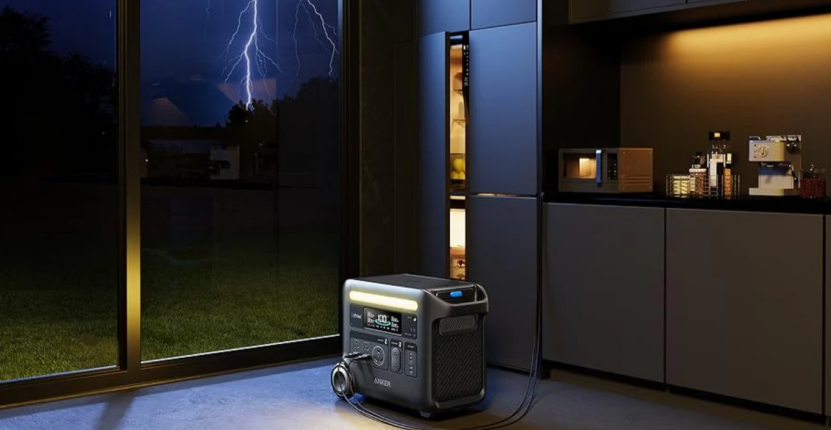
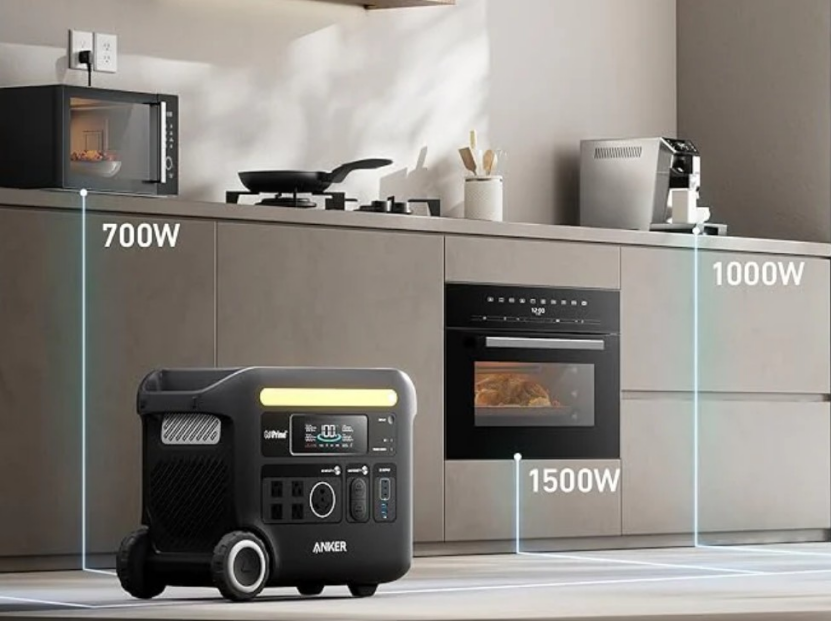
Portable power stations may also power small household equipment, but users should check the power ratings before plugging them in. Mini-fridges, electric kettles, LED lights, TVs, fans, and rice cookers may be safe as long as their wattage does not exceed the station’s continuous output rating. High-draw appliances such as hairdryers, toasters, and microwaves frequently exceed acceptable limits unless a high-capacity model is used. Always check the starter wattage, since certain gadgets require a burst of electricity to begin functioning. Many stations operate well for basic cooking, lighting, and refrigeration during an outage or while camping, as long as users control their energy consumption and do not exceed the maximum load.
Medical, Safety, and Communication Devices
Powering medical and communication equipment needs special attention, but when correctly matched, most portable power stations perform admirably. CPAP devices, oxygen concentrators, two-way radios, satellite phones, and emergency alert systems are normally within acceptable wattage ranges. For medical devices, select a station with a pure sine wave inverter to assure clean, consistent power. Avoid utilizing modified sine wave units with sensitive equipment. Keeping your phone charged, using a radio, or turning on a security system may all make a big impact during an emergency. When configured correctly, a portable power station becomes a vital backup resource for critical health and safety needs.
How Do Power Ratings Affect What You Can Plug In?
Power ratings define how safe and efficient a portable power station is. Continuous power ratings (in watts) reflect the amount of energy that each gadget can provide. The peak or surge rating refers to rapid bursts of increased power, which is vital for refrigerators and other electrical devices that require additional energy to start. Plugging a device above either limit may result in shutdowns or internal component failures. Consider the station’s battery capacity (watt-hours) to estimate how long it will power your devices. Using proper equipment and understanding power needs facilitates efficient, uninterrupted operation. Understanding these ratings minimizes overload, protects equipment, and improves station performance.
How Can Users Plug In Devices Safely and Confidently?
Choosing the Right Ports and Cables
Proper use of portable power stations’ numerous output ports increases safety and efficiency. USB-A and USB-C are the most suitable ports for phones, tablets, and laptops. AC ports provide electricity to ordinary equipment. DC carports or barrel plugs can accommodate some tools and lighting. Always use high-quality, manufacturer-approved cables that match the voltage and amperage of your device. Failure to utilize proper plugs or damaged wires may result in poor performance or overheating. Before turning on the device, make sure it is connected to the correct port and that there is voltage. Port and cable selection protects equipment and keeps stations running smoothly.
Monitoring Power Use During Operation
Most portable power stations have digital displays or app integrations that provide real-time wattage, battery percentage, and runtime. Tracking this information allows users to avoid overload and manage their energy use. Disconnect or reduce non-essential equipment when the station’s wattage reaches its limit to avoid automatic closure. Port status indicators show active outputs and power usage. When loads grow, certain advanced stations sound a warning or shut down. Monitoring power use during the operation improves efficiency, battery life, and safety.
Developing Safe and Reliable Power Habits
Daily use of a portable power station needs solid safety measures. Charge the station before it runs out, ideally by more than 20%, and avoid extreme heat or wetness. Don’t daisy-chain extension cords or overfill ports. Unplug charged gadgets to conserve power. Prioritize basics and stagger high-draw appliances for long-term use. Travel with storage bags or covers. Check for port and cable wear on a regular basis. These methods protect your station, increase runtime, and provide continuous device power. Smart use promotes safety, durability, and peace of mind.
Conclusion
Portable power stations safely power a wide range of items, including personal gadgets, household staples, and medical equipment. Understanding what you may plug in, how much power your devices require, and how to use the appropriate ports helps to guarantee smooth functioning. Long-term dependability requires matching load levels to power ratings, monitoring use, and practicing safe charging behaviors. These stations are adaptable and user-friendly, but performance is dependent on proper use. Users may access reliable electricity anywhere—at home, during travel, or in emergencies—by following the proper practices and obeying power restrictions, without risking overload or harming connected equipment.