

 By
By Introduction
Accidental phone encounters with water can be stressful. Whether it’s a splash in the kitchen or a dunk in the pool, knowing the immediate actions to take can make a significant difference in whether your phone survives. In this guide, we’re going to explore the critical steps to repair water damage and how to prevent it in the future.
Immediate Steps to Take
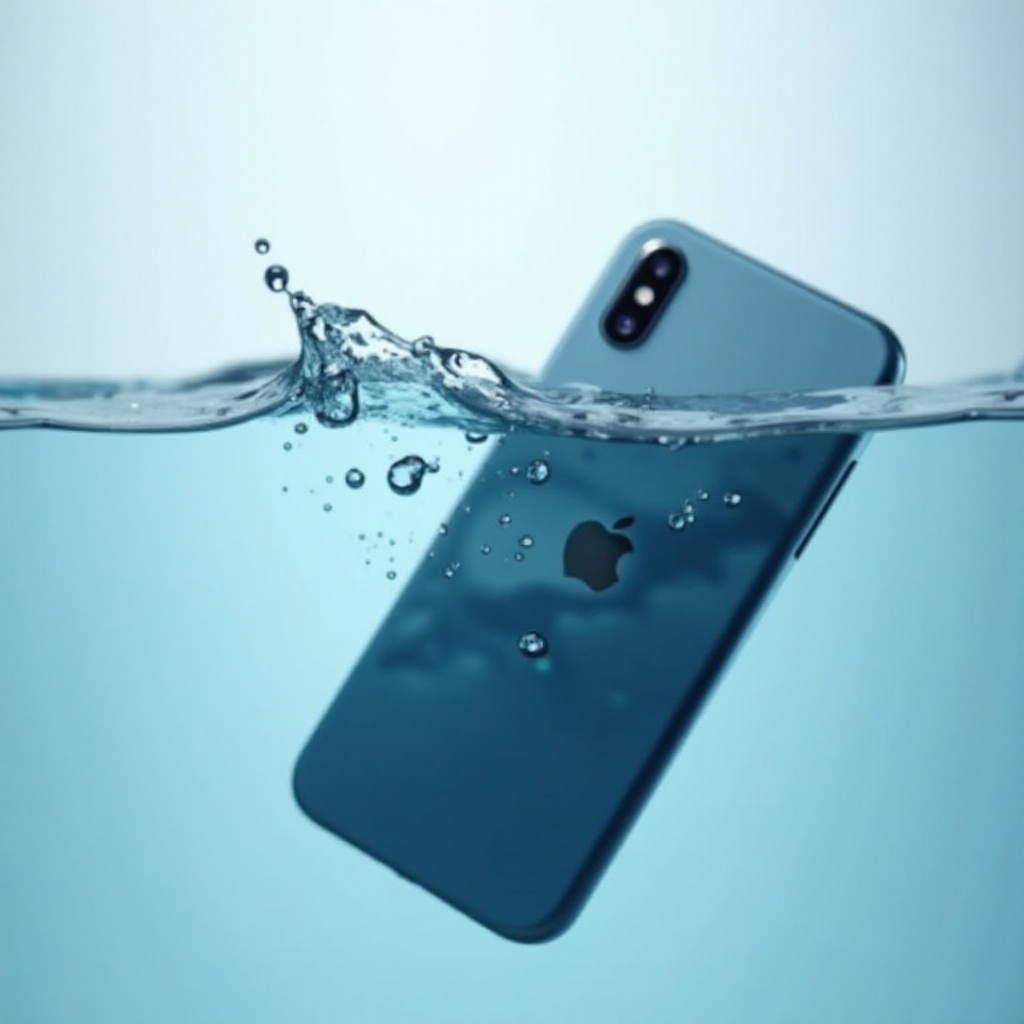
Once your phone encounters water, every second counts. The steps you take immediately can prevent permanent damage.
-
Remove the Phone from Water Immediately: Quickly retrieve your phone from the water source. Every moment counts to minimize moisture absorption.
-
Turn Off the Phone and Avoid Switching It On: Powering down your phone is crucial. Water conductance could lead to short circuits if the phone remains on.
-
Remove SIM Card, Battery, and Accessories: If your phone’s design allows, remove these removable parts immediately. This not only protects these components but also permits better drying.
Executing these steps promptly lays a strong foundation for the next phase, which involves properly drying your phone.
Effective Drying Techniques
Effective drying is crucial in saving your water-damaged device. While traditional methods abound, focusing on those proven to work will optimize your success.
-
Absorb Excess Water with a Microfiber Cloth: Use a gentle touch to dab rather than wipe, ensuring you don’t push the water further inside.
-
Debunking the Rice Method: Alternative Solutions: The rice method is widely suggested but lacks efficiency. Opt for silica gel packets which are more adept at absorbing moisture.
-
Using Silica Gel Packets and Other Agents: Store your phone with silica gel in a closed environment to aid drying over a 48-hour period.
Once you’ve addressed the drying process, consider the possibility of needed repairs if issues persist.
DIY Repair Steps
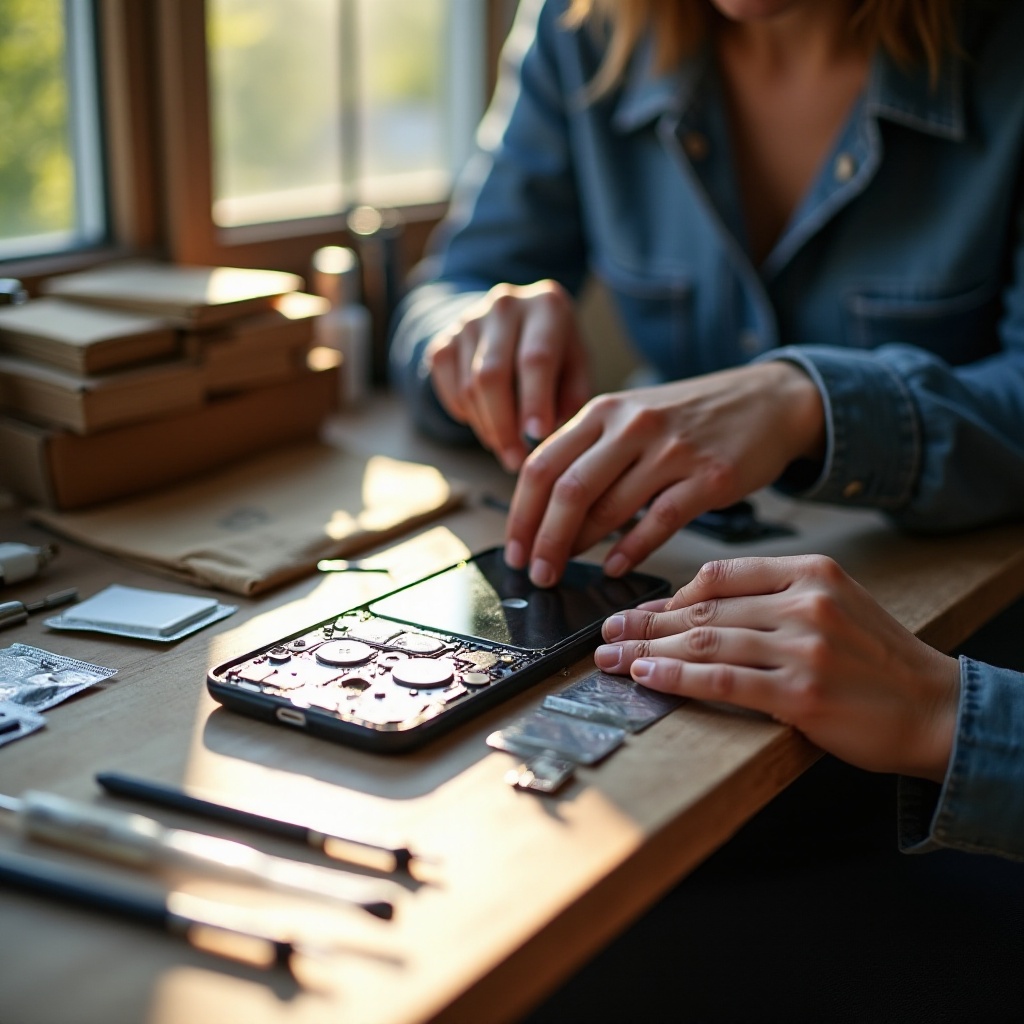
After drying, if your phone still isn’t functioning correctly, you may need to perform some DIY repairs. Approach with caution and follow these steps:
-
Opening Up Your Phone Safely: Tools and Tips: Armed with screwdrivers and spudgers, gently open the back panel, referencing model-specific instructions.
-
Cleaning Corrosive Residue with Isopropyl Alcohol: Residue left by water can be corrosive. Clean with 90% or higher isopropyl alcohol, which evaporates quickly without damaging electronics.
-
Assessing and Replacing Damaged Parts: Inspect components for signs of damage such as corrosion or burns. Replace what you can or consult an expert if necessary.
Although DIY repairs can be effective, certain situations warrant professional inspection.
When to Consult a Professional
While DIY methods work in many cases, professional repair services are sometimes necessary. Knowing when to reach out can save time and further damage.
-
Signs You Need Professional Repair: If your phone shows no signs of life, has display issues, or acts erratically, professional assessment is needed. Their specialized tools can diagnose intricate problems.
-
Weighing the Costs: Repair vs. Replacement: Evaluate if a repair is cost-effective compared to replacing your phone. Newer models may require replacement if repair costs are high.
After dealing with water damage, learning preventative measures is invaluable to protect your device in the future.
Preventing Future Water Damage
Taking a proactive approach with preventive measures can save your phone from future water exposure.
-
Investing in Water-Resistant Cases and Gear: Purchase quality waterproof cases to protect your phone during aquatic activities or in environments with high moisture exposure.
-
Best Practices for Using Phones Around Water: Vigilance is key. Avoid using your phone in hazardous environments like pools or in wet weather, or opt for Bluetooth and headsets.
By integrating these best practices, you enhance your phone’s longevity and functionality.
Conclusion
When it comes to water damage, quick and informed action is crucial. From initial recovery steps to recognizing when professional help is necessary, these guidelines will guide you towards a successful resolution. Implementing prevention strategies will further protect your phone, ensuring it continues to serve you well.
Frequently Asked Questions
How long should I leave my phone to dry after water exposure?
Leave your phone to dry in a sealed environment with desiccants like silica gel for at least 48 hours before turning it back on.
Is it ever too late to fix a water-damaged phone?
While time is important, many phones can be saved with proper drying and cleaning, even with delayed interventions.
Can seawater damage be reversed the same way as freshwater?
Seawater’s salt content is highly corrosive, making it more challenging. Rinsing with freshwater immediately and seeking professional cleaning is advised.