

 By
By The inverter sits at the center of every solar generator system. It transforms stored DC power into stable AC electricity that mirrors the quality of what flows from a home outlet. When this conversion is engineered well, appliances run quietly, electronics stay protected, and sensitive devices perform exactly as intended. When the design is limited or unstable, the output can fluctuate, distort, or sag under load. Modern systems, including the Anker SOLIX F2000 Solar Generator + 400W Solar Panel, rely on advanced inverter topologies to create consistent, appliance-safe energy. Understanding how inverter architecture shapes performance helps users choose a portable solar generator that delivers clean, reliable output for daily use and emergencies.
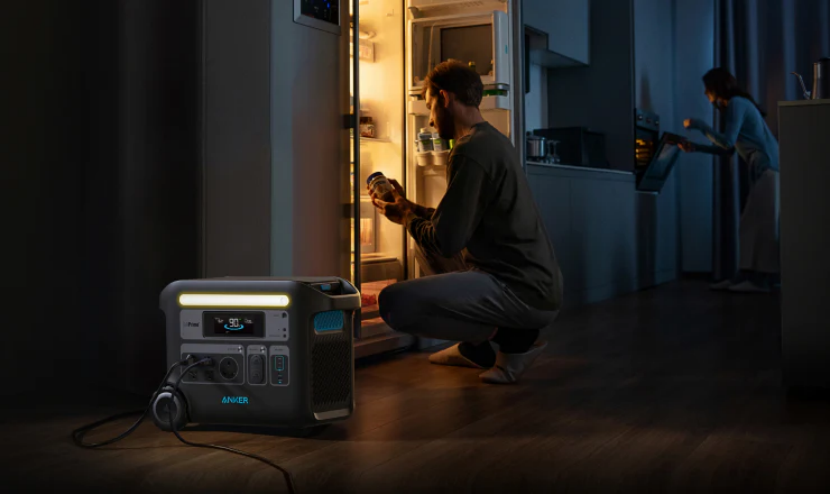
How Inverter Engineering Defines Power Smoothness and Device Compatibility?
Waveform Architecture Determines How Safely Devices Operate
The core job of an inverter is to generate an AC waveform that emulates standard household electricity. High-quality solar generators use pure sine wave inverters that match the smooth oscillation required by motors, compressors, and precision electronics. Cheaper or simplified inverters often output modified waveforms that introduce harmonics, reduce efficiency, or cause mechanical stress in appliances. A pure sine wave supports everything from CPAP machines to laptops and refrigerators without noise or overheating. The engineering behind waveform control—switching frequency, modulation strategy, and filtering—directly shapes how stable the electricity feels. Systems like the Anker SOLIX F2000 apply refined inverter circuitry to ensure connected devices run as smoothly as they do on grid power.
Conversion Efficiency Dictates Runtime and Solar Utilization
An inverter continuously converts DC battery energy into AC. The efficiency of this conversion affects both runtime and total usable capacity. Better engineering minimizes internal power loss, allowing more stored energy to reach appliances. That means longer backup power during outages and more productive off-grid operation. Efficient inverters also reduce heat buildup, improving durability and maintaining consistent performance under load. When solar panels recharge the system, high efficiency ensures that harvested energy translates into real, usable output. The SOLIX F2000 pairs its battery design with an efficient conversion system, helping users get maximum value from both storage capacity and sunlight capture.
Load Management Defines Stability Under High Demand
Not all appliances draw power consistently. Some start with a surge, others cycle on and off, and some require precise voltage regulation to function safely. A strong inverter design must manage these fluctuations without dropping voltage or shutting down. Advanced load-monitoring algorithms, real-time feedback loops, and robust component sizing allow a solar generator to absorb sudden spikes while maintaining clean output. This performance matters during multi-appliance use, especially when mixing laptops with high-wattage tools, kitchen devices, or heating elements. The Anker SOLIX F2000 demonstrates this capability by powering diverse appliances simultaneously while maintaining smooth electricity flow.
Why High-Grade Inverters Improve Safety, Longevity, and Overall User Experience?
Thermal Management Sustains Output Quality Over Long Sessions
Heat is a major challenge for any inverter. When components operate at high temperature, efficiency drops and performance becomes less consistent. Advanced inverter designs incorporate heat-spreading materials, intelligent airflow, and thermal sensors that adjust output behavior in real time. By staying cooler, the system maintains cleaner voltage, smoother waveform stability, and longer runtime. This thermal resilience helps the SOLIX F2000 sustain demanding workloads, supported further by its smart temperature control technology. Cooler operation also protects delicate semiconductor components, preserving long-term reliability even under frequent use.
Protective Logic Prevents Damage to Both the Generator and Connected Devices
A well-designed inverter includes protection layers that act instantly during abnormal conditions. Short-circuit events, reversed polarity, voltage drops, or overload attempts can damage appliances unless the inverter reacts quickly. Engineers design multiple layers of safety logic—overcurrent shutoff, voltage clamping, soft-start mechanisms, and synchronized monitoring—to detect and isolate faults before they travel downstream. This precision makes solar generators safe for indoor operation and for powering sensitive electronics. Within the SOLIX F2000, protective systems work with the battery and inverter combination to maintain stable power and avoid harmful spikes or dips.
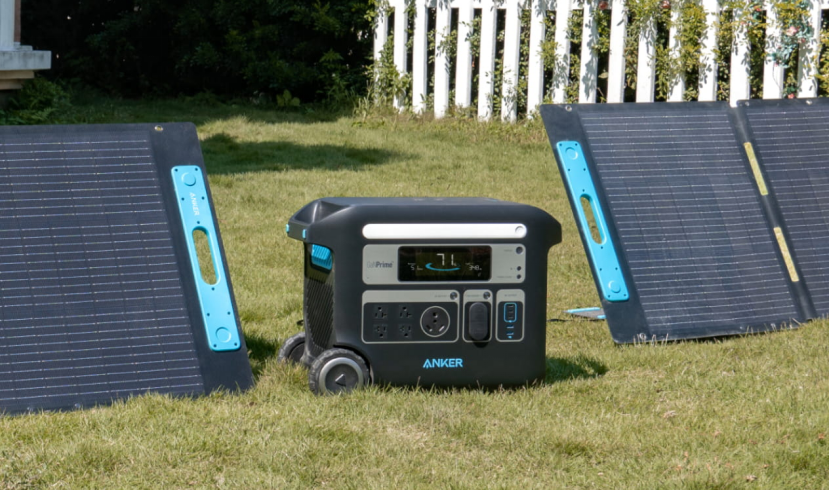
Output Consistency Improves Everyday Usability
The user experience improves dramatically when the inverter output remains consistent regardless of load size or battery level. Stability ensures lights do not flicker, compressors do not stall, and electronics do not reset unexpectedly. Engineers achieve this through advanced control algorithms that maintain voltage and frequency tightly within safe boundaries. Reliable output lets users integrate the solar generator into home routines—running kitchen appliances, powering home offices, or charging multiple devices—without distraction or performance loss. The F2000’s inverter architecture supports this consistency, making it suitable not only for emergencies but also for routine daily power management.
Conclusion
Inverter design determines how effectively a solar generator transforms stored energy into clean, stable, appliance-safe power. From waveform quality to thermal management and protective control logic, the engineering behind the inverter shapes performance, safety, and longevity. High-grade architectures ensure sensitive electronics operate smoothly, solar energy is used efficiently, and heavy appliances run without interruption. The Anker SOLIX F2000 Solar Generator + 400W Solar Panel illustrates how advanced inverter design elevates overall output quality through clean waveform generation, responsive load handling, and dependable safety mechanisms. Understanding these principles empowers users to choose systems that deliver consistent, high-quality performance for home use, off-grid tasks, and emergency preparedness.