

 By
By Cold weather changes how every part of a solar power system behaves, from charging speed to discharge patterns. Winter brings shorter days, lower sunlight angles, and freezing temperatures that influence stored energy performance. Yet modern solar battery banks are built to handle these challenges with thoughtful design, protective systems, and smart energy routines. A system like the Anker SOLIX F3000 paired with a 400W portable solar panel demonstrates how reliable winter performance can be achieved through fast solar input, low idle draw, and stable output even during extended outages. Understanding how battery banks operate in winter helps homeowners stay prepared, keep essential loads running, and avoid unnecessary losses during cold months.
How Cold Temperatures Influence Solar Storage Performance
Battery Behavior Changes but Remains Manageable With the Right Design
Cold temperatures slow the chemical reactions inside battery cells, which can affect how quickly a system discharges or accepts incoming power. High-quality solar battery bank compensates for this by widening its safe operating range. The F3000 supports discharging down to -4°F and charging from 32°F upward, which allows it to continue functioning in typical winter conditions without user intervention. When homeowners know the safe operating limits, they can avoid exposing the system to extreme cold during charging and keep output stable for lighting, refrigeration, and communication devices. Good design ensures reliable winter performance with minimal adjustment.
Solar Panels Still Produce Energy Even in Low Sunlight
Winter sunlight is weaker and less direct, but solar panels still work effectively when positioned correctly. Cold temperatures can even improve panel efficiency because cooler surfaces reduce electrical resistance. What winter reduces is total sunlight hours, not the ability of panels to convert light into energy. A 400W portable panel paired with the F3000 helps users capture more winter sunlight by allowing flexible placement. Users can tilt the panels toward the low-angle sun, reposition them to avoid snow shadows, and take advantage of reflective ground surfaces. With proper positioning, winter solar production remains strong enough to support essential loads.
Standby Power Gains Importance During Long, Cold Outages
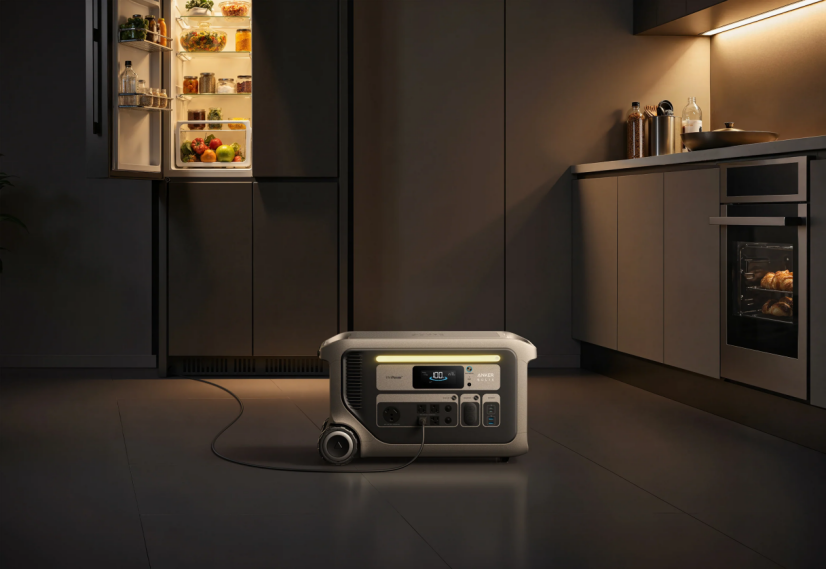
Homes rely more heavily on stored power during cold-season blackouts. Heating systems, refrigerators, emergency lighting, and communication devices all become critical. A solar battery bank with ultra-low idle consumption helps extend available runtime during these moments. The F3000’s ability to stay on standby for up to five days ensures that stored power is conserved when not in active use. During winter outages, this stability becomes essential because storms and grid failures may last longer. Consistent standby behavior allows homeowners to manage their reserves confidently throughout unpredictable weather events.
How Homeowners Improve Winter Performance With Smart Routines
Proper System Placement Protects Batteries and Improves Output
Cold-weather performance improves significantly when users keep the battery unit out of direct exposure to snow, freezing winds, or ice buildup. A protected indoor location, such as a garage, mudroom, or insulated storage area, maintains stable temperatures around the system. The F3000 performs effectively across a broad temperature range, but avoiding extreme cold during charging remains important. Simple steps—keeping the unit raised off cold concrete or placing it near interior walls—help maintain efficiency. These habits reduce winter-related energy loss and extend long-term system health.
Snow Management Prevents Energy Loss at the Panel Surface
Snow accumulation on solar panels can block sunlight entirely, making snow removal a key winter maintenance task. Fortunately, snow often slides naturally off angled panels, especially when they warm slightly in the sun. Users with portable panels have an advantage: they can reposition panels quickly, brush snow away safely, and choose a location that reduces buildup. Clean panel surfaces restore immediate solar productivity, even on overcast days. With the F3000’s fast solar recharge capability—up to 2,400W input—every moment of restored sunlight matters and quickly contributes to the household’s energy reserve.
Adjusted Usage Patterns Extend Runtime in Cold Months
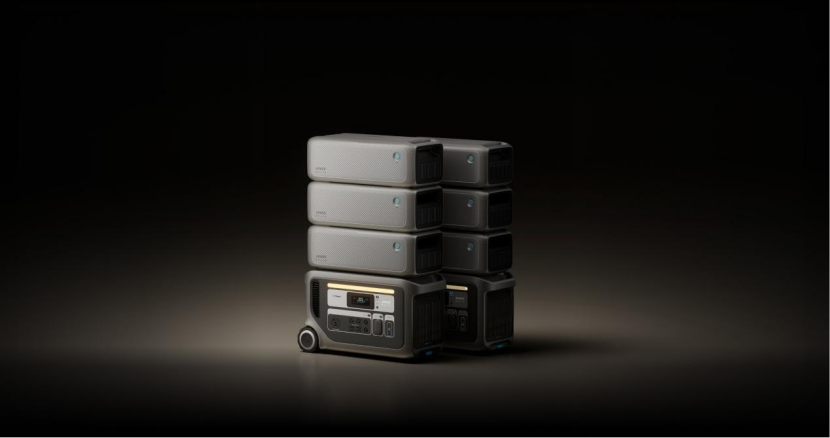
Energy planning becomes more strategic during cold weather. Shorter daylight hours mean users rely more on stored energy, so shifting high-demand tasks to sunny periods helps extend system runtime. The F3000’s pass-through charging at 3,600W allows users to operate essential devices while replenishing the battery at the same time. This ensures that stored sunlight is used efficiently and not depleted prematurely. Households often reserve battery power for essentials such as refrigeration, lighting, routers, and heating controls during winter storms. These small routine adjustments support predictable performance throughout cold conditions.
Conclusion
Solar battery banks perform well in cold weather when supported by smart design, practical placement, and thoughtful user habits. Batteries naturally respond differently to freezing temperatures, but high-quality systems are built with wide operating ranges that maintain reliable discharge and protected charging conditions. Solar panels continue producing energy even in low winter sunlight, especially when positioned correctly and kept free of snow. A system such as the Anker SOLIX F3000 paired with a 400W portable solar panel demonstrates how fast solar input, strong standby behavior, and flexible deployment help households stay powered during winter storms and short daylight periods. With simple winter strategies and dependable engineering, a modern solar battery bank remains a strong, steady source of energy throughout the coldest months of the year.